The Best Spots to Photograph Bryce Canyon at Night
Five rim viewpoints, all within a short drive of each other, all framing the hoodoos differently against the night sky. Here is how each one actually shoots — sight lines, foregrounds, and the safety realities of working an unfenced rim in the dark.
First, Understand the Geometry
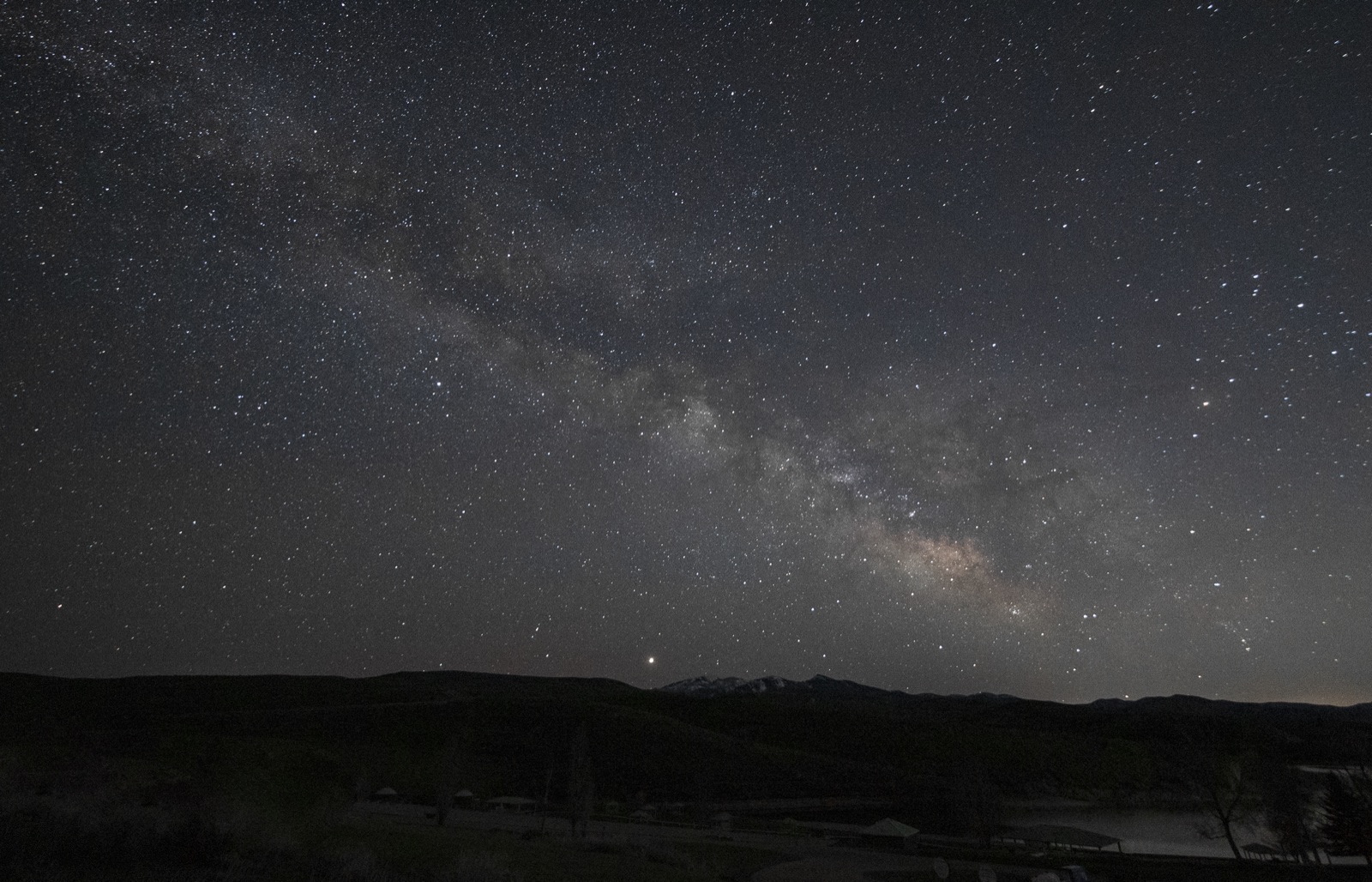
Bryce Amphitheater sits on the east edge of the Paunsaugunt Plateau. The main rim viewpoints stand on its western lip, which means you shoot out over the hoodoos toward the east and southeast — and that is precisely where the galactic core rises in spring and early summer. This is the geometric luck that makes Bryce special: the most photogenic foreground in the park points at the most photogenic part of the sky during prime core season. Later in the season, as the core swings south and west, the south-facing Paria View takes over. Match the viewpoint to the month and you barely have to fight your composition.
| Viewpoint | Primary view | Best for | Core alignment |
|---|---|---|---|
| Sunset Point | E / SE | Classic core over Silent City | Apr–Jul rising core |
| Sunrise Point | E / NE | Arch panoramas, star trails NE | Jun–Aug arch |
| Inspiration Pt | E / SE | Elevated, deepest hoodoo field | Apr–Jul rising core |
| Bryce Point | N / NE over amphitheater | Full-amphitheater sweep, Polaris trails | Trails & panoramas |
| Paria View | S / SE | Late-season core, quietest spot | Jul–Oct southern core |
Sunset Point — The Classic Frame
If Bryce Canyon has a signature night composition, it is here. Sunset Point overlooks the densest, most vertical section of the amphitheater — including the Silent City, a tight grid of fins and hoodoos that reads beautifully as a dark, jagged silhouette under the core. In May and June, the core rises in the southeast almost directly over this formation, and a 14–20mm frame holds both with room to spare. Thor's Hammer stands just below the rim here as well; it is the most recognizable single hoodoo in the park and works as a strong near-foreground anchor if you compose from the rail area above it.
Practical notes: large parking lot a short, paved walk from the rim; the viewpoint has railings at the main overlook, which makes it the most forgiving place in the park to work in full darkness. Expect occasional company even at 1 a.m. in summer — and with company comes stray headlamps, so plan your stacking bursts between light hits.
Sunrise Point — Panoramas and the Summer Arch
A half-mile north along the paved Rim Trail from Sunset Point, Sunrise Point opens up a wider, slightly less vertical view to the east and northeast. It is the weaker choice for a tight rising-core shot, but it earns its place two ways. First, in July and August, when the full galactic arch stands high over the amphitheater, the broad foreground here suits multi-frame panoramas — shoot 6–10 vertical frames at 20mm and stitch. Second, its northeast aspect makes it the better of the two main points for star-trail circles: put Polaris over the northern hoodoos and let the intervalometer run an hour.
The Rim Trail between Sunrise and Sunset Points is paved and nearly level — the safest stretch of rim in the park to reposition along in the dark, and it offers dozens of intermediate compositions most photographers walk straight past.
Inspiration Point — Elevation and Depth
Inspiration Point sits higher than Sunset Point and stacks three terraced overlooks above the amphitheater's deepest hoodoo field. The extra elevation flattens your downward angle slightly and lets you show depth — rank after rank of hoodoos receding toward the rising core. This is the viewpoint for the "ten thousand spires under the Milky Way" frame, and in April through June the core rise aligns well with its southeast sight line.
Night safety warning, in plain terms: the upper levels of Inspiration Point are reached by a steep, uneven path, and significant stretches of the rim here are unfenced with immediate, fatal exposure. This is not a spot to explore for the first time alone at midnight. Scout it in daylight — or better, with a local guide who works it at night — before you commit to it in the dark. The guided night option exists precisely for places like this.
Bryce Point — The Grand Sweep
At the southern end of the amphitheater, Bryce Point looks back north and northeast across the entire bowl — the most expansive single view in the park. Because it faces away from the rising core, it is not the first choice for a classic core-over-hoodoos shot. It is, however, arguably the best star-trail and panorama location at Bryce: the full amphitheater sweep under circumpolar trails is a frame nobody else in your feed has, and on summer nights the arch's northern reaches drop toward the horizon here in a way that suits very wide stitches.
The walk from the parking area is short but the final overlook is railed and confined; tripod space is tight, so this is a better solo or small-group location than a workshop-crowd one.
Paria View — The Late-Season Sleeper
Two miles from Bryce Point and skipped by almost everyone, Paria View is the only main-area viewpoint that faces south — out over the Paria River drainage rather than the main amphitheater. That orientation makes it the quiet star of late summer and fall: from July through October, when the core hangs to the south and southwest in the evening, Paria View points straight at it while the crowds (and their headlamps) congregate at Sunset Point. The hoodoo foreground is sparser here, but a lone fin against the southern core, with genuinely zero light pollution on that horizon, is a cleaner image than it sounds.
Bonus: the parking area is small and dark, with no path lighting at all. Bring full night kit — this is the most remote-feeling of the five.
What You Can Actually Capture From These Skies
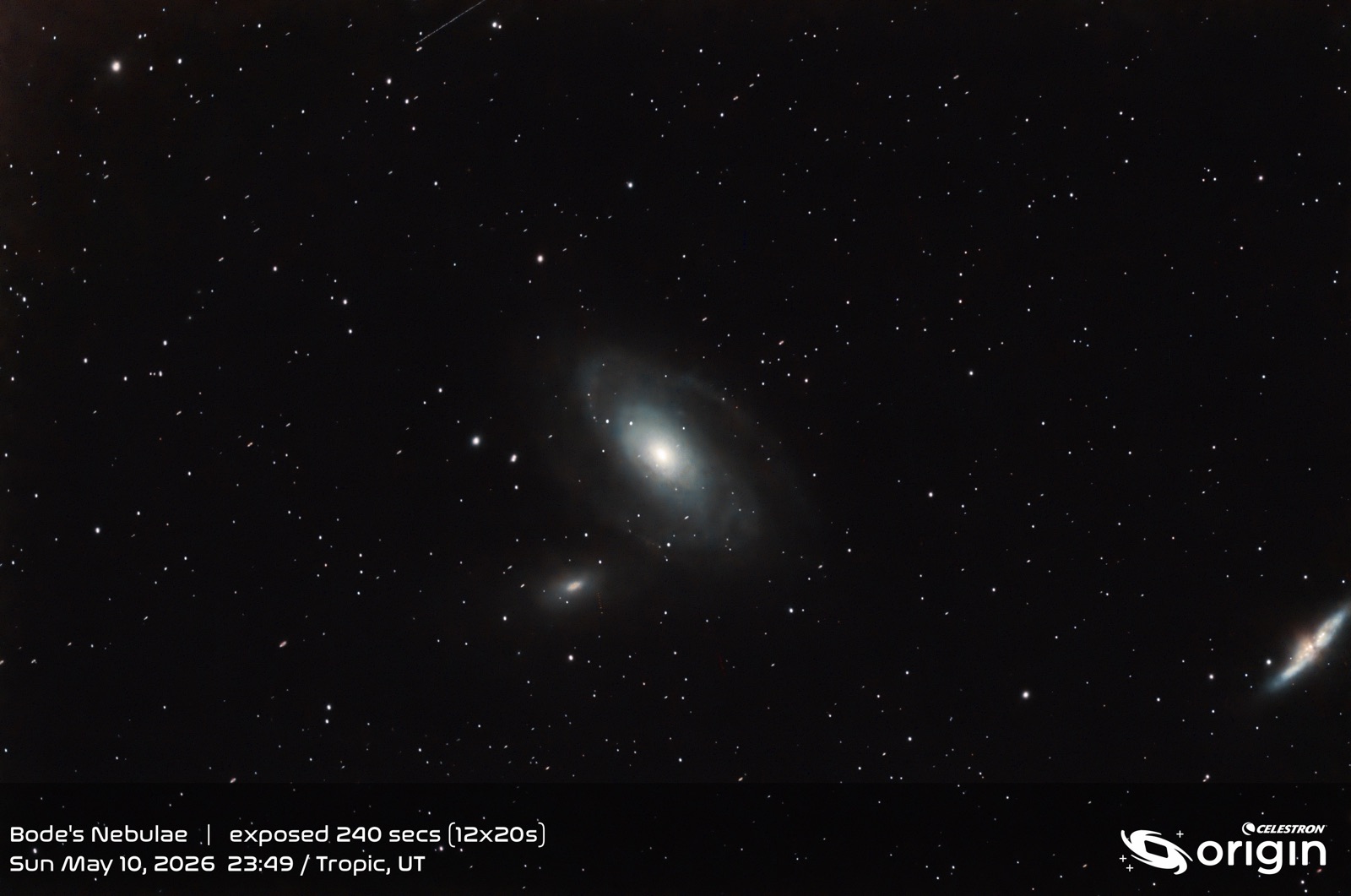
This is what the sky above Bryce Canyon makes possible. Bode's Galaxies (M81 and M82) — a pair of galaxies 12 million light-years away — captured during a Bryce Canyon Stargazing tour in May 2025. Real deep-sky detail from the same dark sky your camera will see from these viewpoints.
Under Bortle 2 skies, your 15-second Milky Way frames operate with signal to spare. This image is proof, not a promise.
Working the Rim at Night: Non-Negotiables
- Scout in daylight. Walk your exact tripod position and the route to it before dark. Distances and edges compress badly at night.
- Respect the edge. Much of the rim is unfenced with drops of several hundred feet. Never walk backwards while looking at your camera — this is genuinely how rim accidents happen.
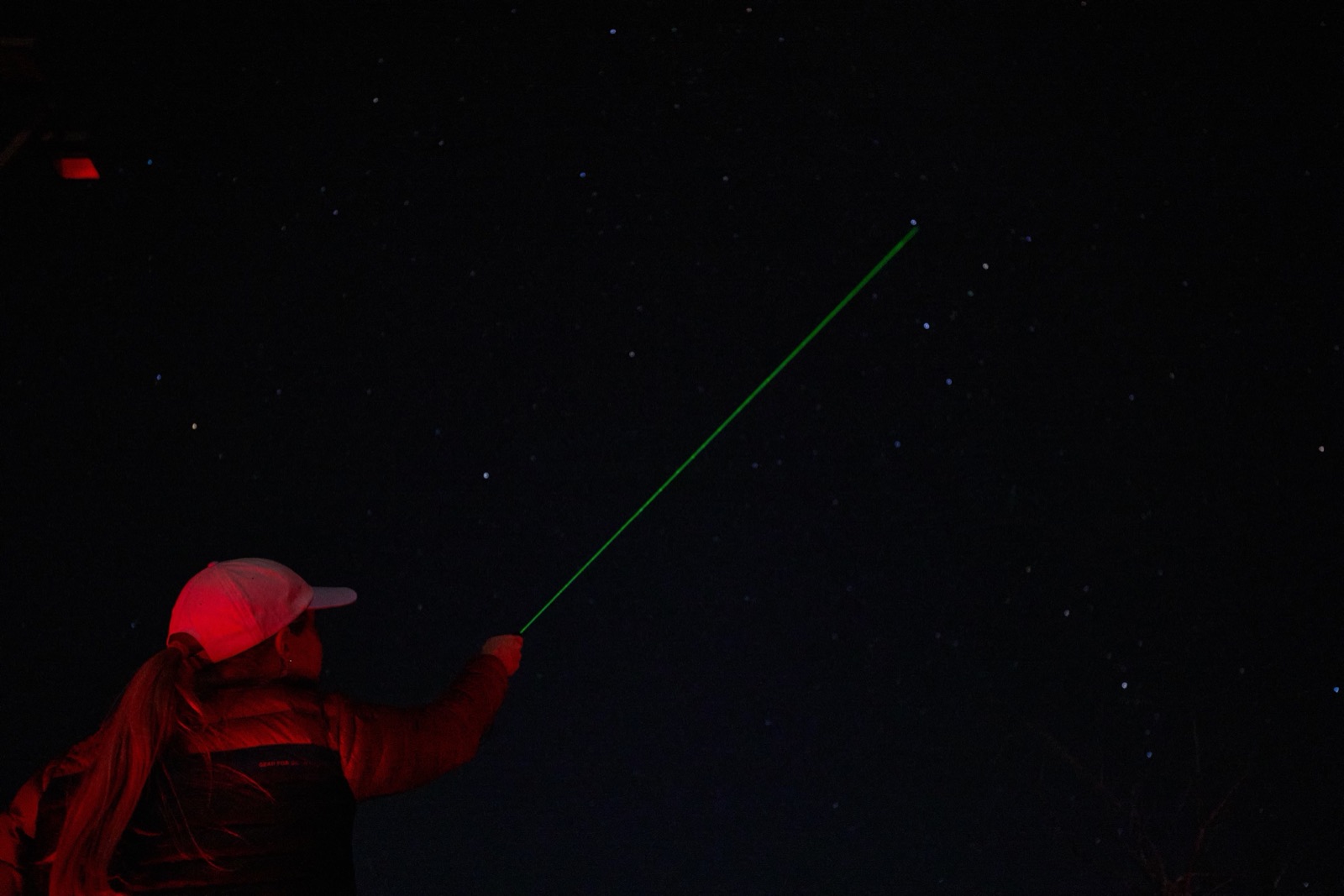
- Red light only once you're working — for your night vision, your foreground, and everyone else's frames.
- Check trail and viewpoint status with the park; ice lingers on rim paths into late spring, and closures happen.
- Tell someone your plan. Cell coverage on the rim is unreliable, and you may be the only person out there in shoulder season.
- Stay on trails and overlooks. The rim edge is fragile limestone — undercut in places — and off-trail travel both damages it and risks a collapse under you.
Every item on this list is handled for you on a guided night tour. Guides from Bryce Canyon Stargazing work these viewpoints in the dark routinely — they know which overlook fits that night's core azimuth, where the footing is solid, and how to keep a group's light discipline tight. Treat the tour as your night scout, then return solo with confidence.
Ready to shoot? Go with a guide who knows the rim.
Book a guided night tour with Bryce Canyon Stargazing and learn the rim under working conditions before you commit a solo night to it.